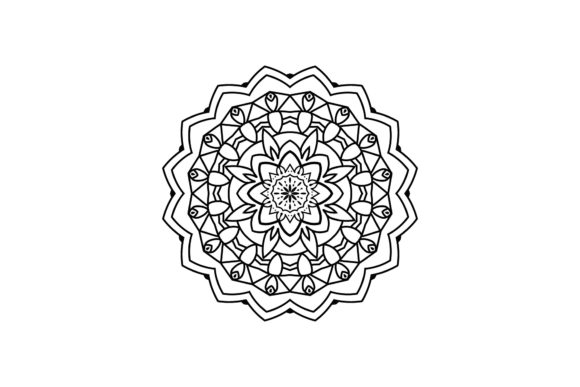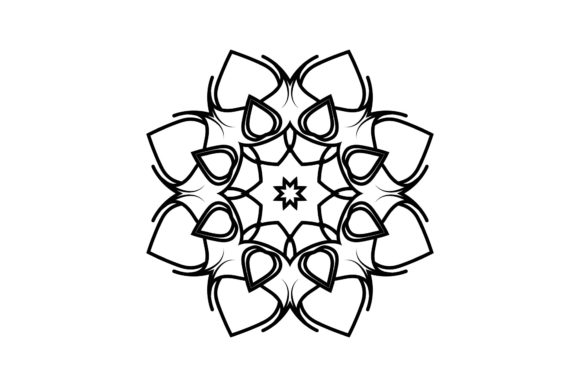
Strategic Use of Mandala Pattern Floral Henna in Design and Branding
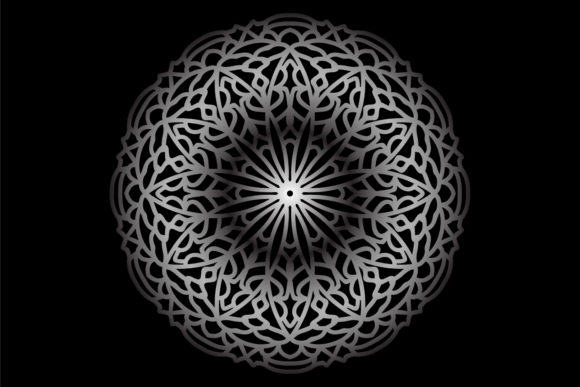
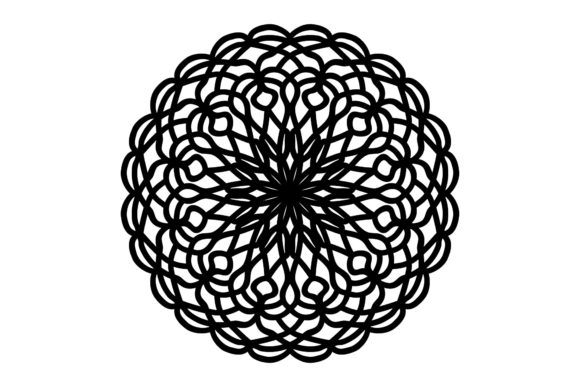
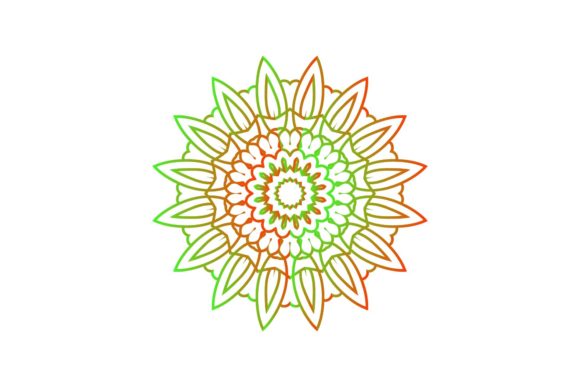
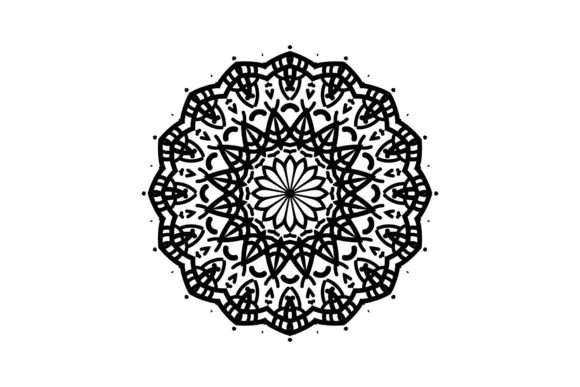
Mandala Pattern Floral Henna is a versatile and visually appealing design element that can significantly enhance your creative projects. This intricate, symmetrical pattern, inspired by traditional henna designs, offers a unique blend of cultural richness and modern aesthetic appeal. When used thoughtfully, it can support various strategic goals, from branding to communication and beyond.
Understanding the Value of Mandala Pattern Floral Henna
Mandala Pattern Floral Henna is more than just a decorative element; it's a powerful tool for conveying a sense of harmony, balance, and beauty. Its detailed, flowing lines and floral motifs can evoke a feeling of tranquility and elegance, making it an ideal choice for projects that aim to create a soothing and inviting atmosphere.
For entrepreneurs, marketers, and creators, this pattern can serve as a distinctive visual signature that sets your work apart. It can be particularly effective in industries such as wellness, fashion, and lifestyle, where a touch of artistic flair and cultural depth can make a significant impact.
When to Use Mandala Pattern Floral Henna
The decision to incorporate Mandala Pattern Floral Henna should align with your specific goals and the context of your project. Here are some scenarios where it can be particularly effective:
- Branding and Identity: Use it to create a memorable and visually striking brand identity. The intricate details and symmetry can help establish a strong, recognizable brand presence.
- Marketing Campaigns: Incorporate the pattern into marketing materials to add a touch of elegance and sophistication. It can be especially impactful in print ads, social media graphics, and promotional items.
- Product Design: Integrate the pattern into product designs, such as textiles, home decor, and packaging, to create a cohesive and aesthetically pleasing look.
- Event Decorations: Use it for event decorations, such as wedding invitations, menus, and backdrops, to create a beautiful and harmonious theme.
Approaching Mandala Pattern Floral Henna Strategically
To use Mandala Pattern Floral Henna effectively, consider the following steps:
- Define Your Goals: Clearly identify what you want to achieve with the pattern. Whether it's enhancing brand recognition, creating a luxurious feel, or adding a cultural touch, having a clear goal will guide your design decisions.
- Understand Your Audience: Consider the preferences and expectations of your target audience. The pattern may resonate more with audiences who appreciate art, culture, and a touch of elegance.
- Choose the Right Format: Select the appropriate file format for your project. The package includes AI, EPS, SVG, DXF, JPG, and PNG files, each suitable for different types of applications. For example, vector formats (AI, EPS, SVG) are ideal for scalable designs, while raster formats (JPG, PNG) are better for web and print.
- Integrate Thoughtfully: Ensure the pattern complements other elements in your design. Balance is key; too much of the pattern can overwhelm the viewer, while too little may not have the desired impact.
Practical Examples and Planning Tips
Here are some practical examples and planning tips to help you get started:
- Brand Identity: Use the pattern as a background for your business cards and stationery. Pair it with a clean, modern font to create a balanced and professional look.
- Marketing Collateral: Incorporate the pattern into your brochures and flyers. Use it as a subtle watermark or as a prominent design element, depending on the message you want to convey.
- Website Design: Add the pattern to your website's background or as a decorative element in headers and footers. This can create a visually engaging and cohesive online presence.
- Product Packaging: Use the pattern on product packaging to create a premium and artisanal feel. This can be particularly effective for products in the beauty, wellness, and gourmet food sectors.
Considering the Risks
While Mandala Pattern Floral Henna can be a valuable asset, using it without a clear strategy can lead to unintended outcomes. Here are some potential risks to consider:
- Overuse: Overusing the pattern can make your design appear cluttered and unprofessional. It’s important to use it sparingly and strategically.
- Mismatched Aesthetics: If the pattern doesn’t align with your brand’s overall aesthetic, it can confuse your audience and dilute your brand identity.
- Cultural Sensitivity: Be mindful of the cultural significance of henna patterns. Using them inappropriately or without understanding their cultural context can be disrespectful and counterproductive.
Conclusion: Making Informed Decisions
Mandala Pattern Floral Henna is a powerful design element that, when used thoughtfully, can elevate your projects and support your strategic goals. By defining your objectives, understanding your audience, and integrating the pattern carefully, you can create a visually stunning and meaningful design. Remember to consider the potential risks and always approach your design choices with intention and purpose.
Thank you for considering Mandala Pattern Floral Henna for your next project. We hope this guide helps you make informed and strategic decisions that lead to successful and impactful results.